
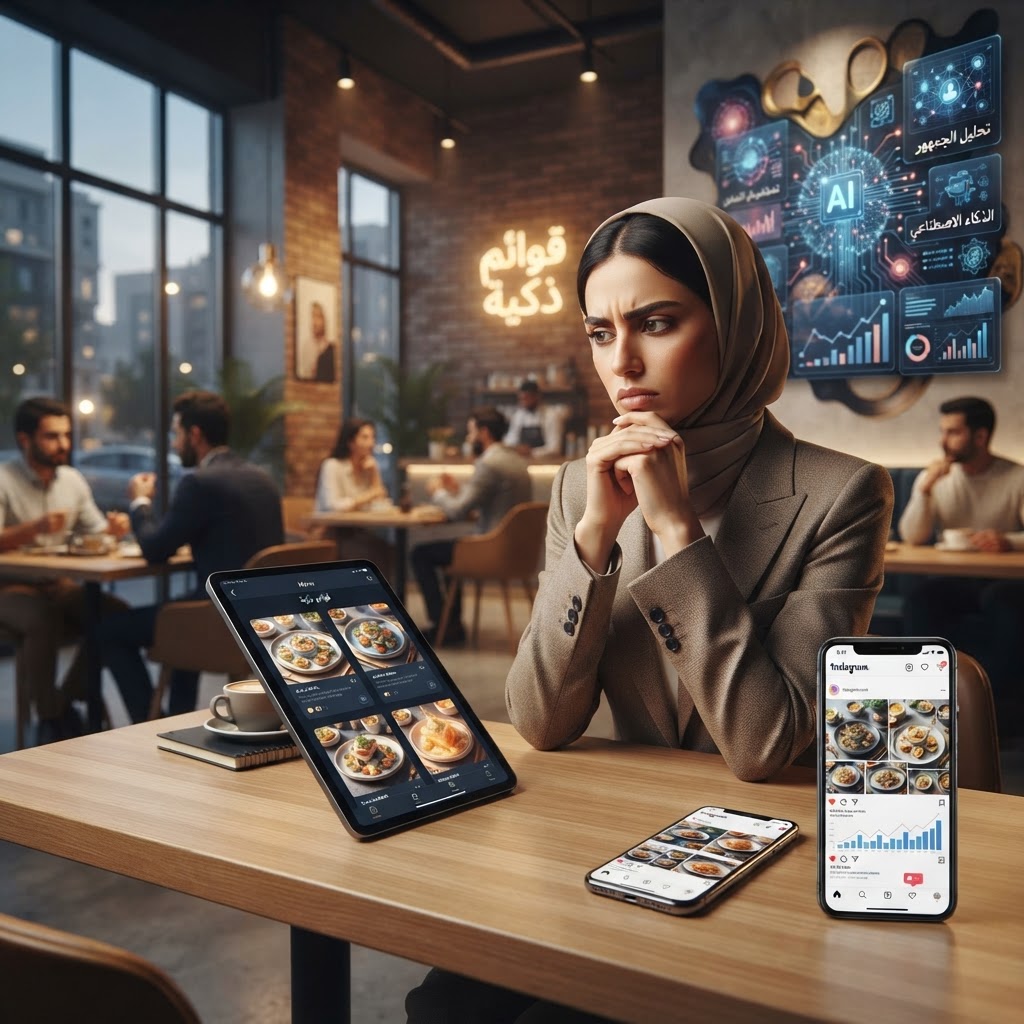
The Illusion of a Perfect Plate
Imagine scrolling through Talabat or Careem Food late at night, craving a proper shawarma or a steaming bowl of harees. You tap on a restaurant, and the menu photos look stunning — almost too perfect. The colors are vivid, the presentation immaculate. But when your order arrives, it looks nothing like what you saw. That disconnect? It's not just disappointing — it's a brand-destroying moment that no amount of marketing budget can easily repair.
This is the growing crisis playing out silently across restaurants in Dubai, Riyadh, Doha, and Amman. Restaurant owners, hoping to save money on professional food photography, are turning to generative AI tools to create menu visuals. The result is a wave of artificial sameness — menus that look eerily similar, foods that don't exist in reality, and customers who feel genuinely deceived.
As a digital marketing professional who has worked with food and hospitality brands across the GCC for over a decade, I want to break down exactly why this trend is dangerous, and what smart restaurant operators should do instead.
1. The Human Gut Never Lies
Customers might not consciously identify an AI-generated image, but their instincts pick up on something being off. Food photography is deeply emotional — it triggers appetite, nostalgia, and cultural memory. When a Saudi customer sees a photo of kabsa, they're not just evaluating composition; they're connecting with a dish tied to family gatherings and tradition.
AI-generated food images, no matter how technically polished, tend to:
- Produce unrealistic textures (too glossy, too symmetrical)
- Miss culturally specific details (wrong type of bread, incorrect garnishing style)
- Generate dishes that are physically impossible to replicate in a real kitchen
The result: A subconscious red flag fires in the customer's brain before they even place an order.
2. The Sameness Epidemic Hits Arab Menus Hard
One of the most underreported consequences of AI-generated menus is how homogenized they make everything look. Walk through any food delivery app in the UAE today, and you'll notice dozens of cloud kitchens with nearly identical-looking menu images — the same lighting style, the same plating aesthetic, the same artificial sheen.
This is a particular problem in the Gulf market, where food culture is deeply regional and diverse. A Kuwaiti machboos looks and tastes different from an Emirati version. Levantine fattoush from a Lebanese restaurant in Abu Dhabi should feel distinct from a Jordanian one in Sharjah. AI tools, trained predominantly on Western food imagery datasets, flatten these nuances entirely.
I've personally consulted with a mid-sized restaurant group in Riyadh that experimented with AI-generated photos for a new menu launch. Within three weeks, their negative reviews on Google and Jarir platforms spiked — customers specifically complained that the food "didn't match the pictures." The brand had to pull the images, reshoot everything professionally, and run a targeted paid campaign just to rebuild trust. The cost of fixing the mistake far exceeded what they would have spent on proper photography from the start.
3. Trust Is the Real Currency in Food Marketing
In digital marketing, we talk endlessly about conversion rates, CPCs, and engagement metrics. But in the food and beverage sector — especially in the GCC where word-of-mouth and social proof are paramount — trust is the foundation of everything.
Restaurants in the Arab world operate in communities where a single bad review from an influencer or a viral complaint tweet can devastate a brand overnight. Remember how quickly social media amplified quality complaints against several well-known cloud kitchen brands in Dubai in 2023? The appetite for accountability is real and growing.
Using AI-generated images that misrepresent your food is not just an aesthetic misstep — it is a trust violation. And in a market where customers have dozens of alternatives a tap away, violated trust means lost customers, likely forever.